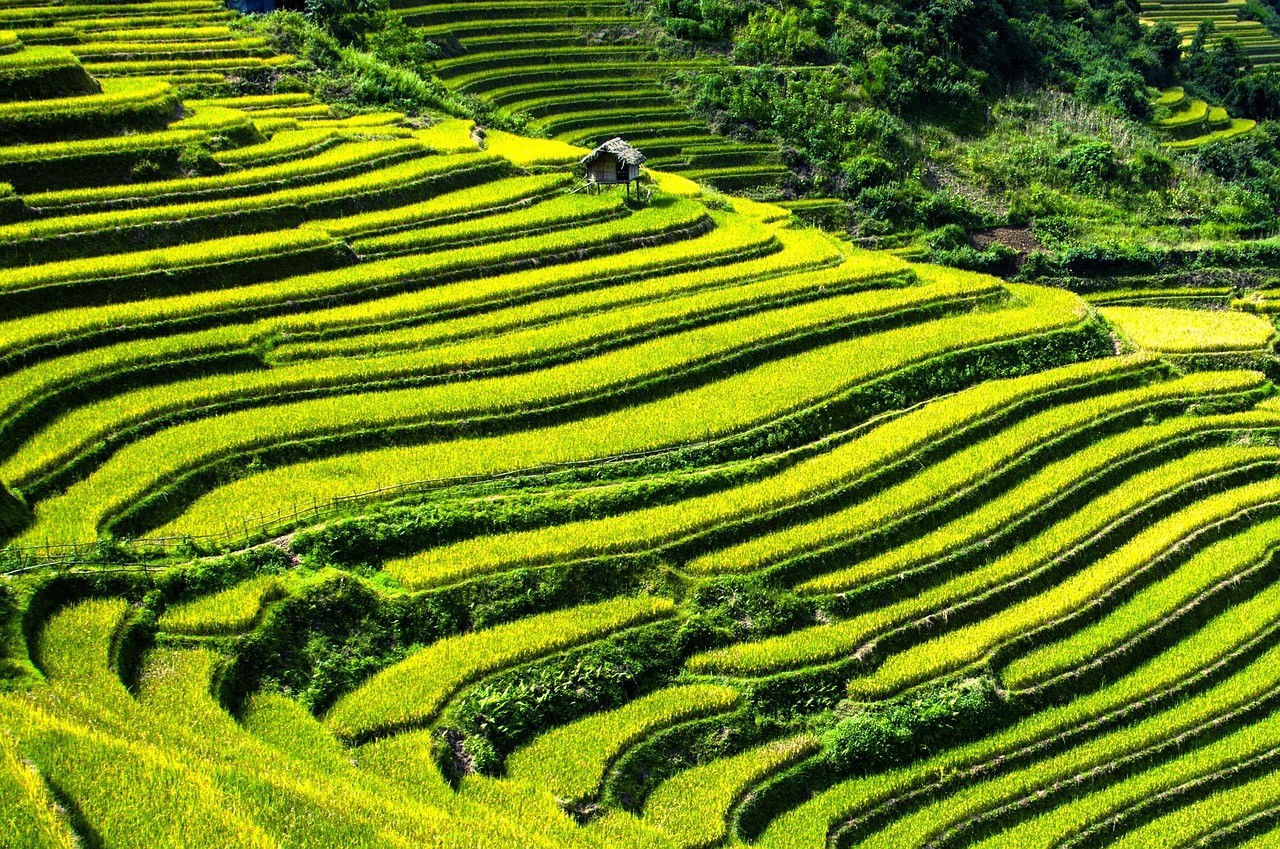
How a 1,300-year-old agricultural system became China's most beautiful landscape.
Standing at the edge of the Duoyishu viewpoint in Yuanyang at 5:00 AM, the world is a silent, indigo void. But as the sun begins to breach the Ailao Mountains, a landscape reveals itself that feels less like geography and more like a massive, liquid stained-glass window. These are the Hani Rice Terraces, a UNESCO World Heritage site that has been continuously farmed for over thirteen centuries.
The Hani people arrived in these mountains as refugees and transformed the steep, inhospitable slopes into a productive ecosystem. They developed a sophisticated social and engineering system to manage water distribution. Forests at the mountaintops act as natural reservoirs, catching rain and mist. This water is then channeled through a network of ditches to the terraces below. Each village manages its own section, ensuring that even the lowest paddies receive enough water.
During the 'mirror season' (November to April), the paddies are flooded but not yet planted. This is when the landscape is at its most photogenic. The water reflects every nuance of the sky—from the violent reds of dawn to the soft pastels of a cloudy afternoon. We spend an afternoon with a village elder who explains the 'Hani Calendar,' which dictates every aspect of life based on the rice cycle. It is a powerful reminder that in Yuanyang, beauty is not an accident—it is the result of a culture living in perfect, balanced symbiosis with its environment for a millennium.