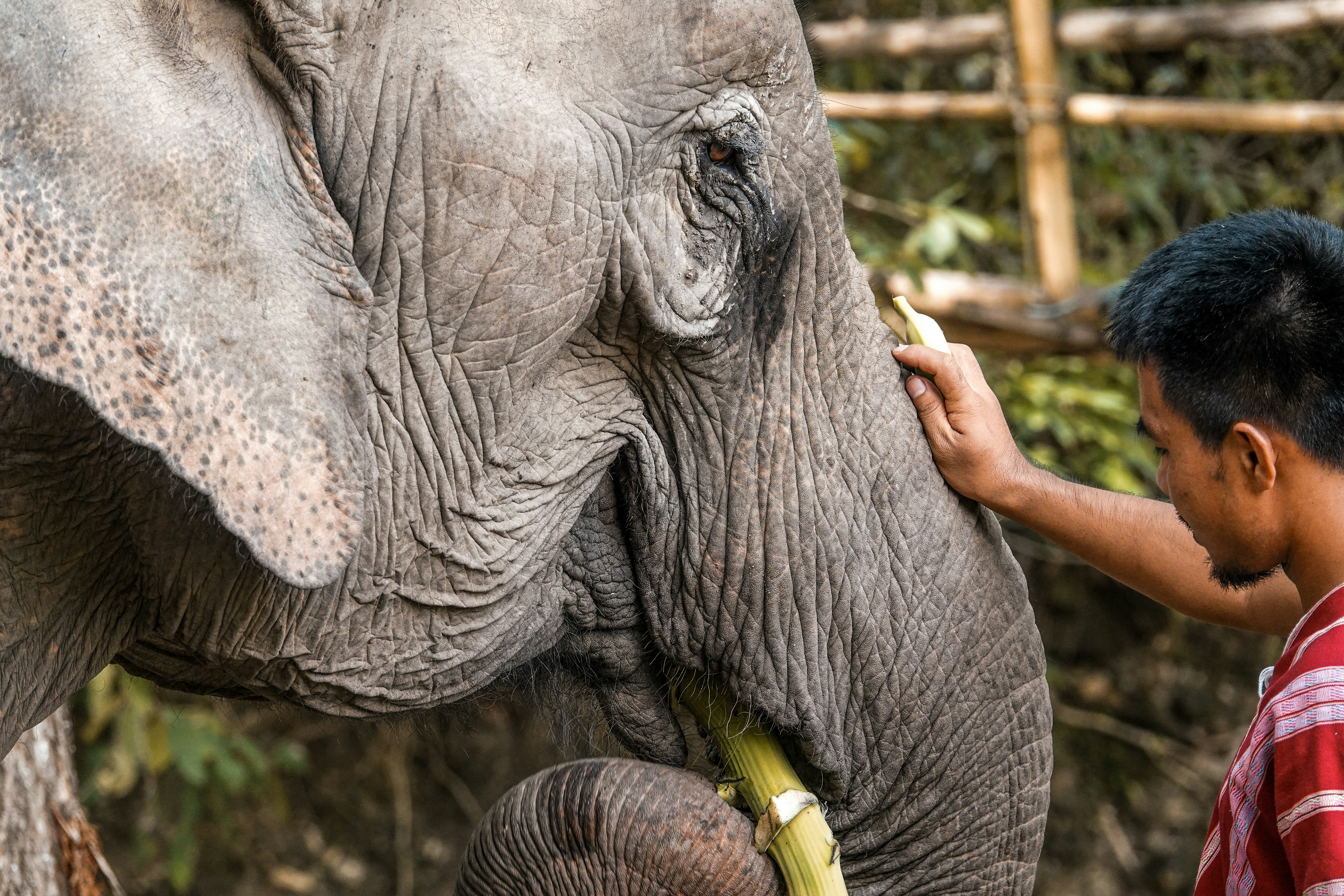
Ethical elephant encounters are more than just a photo op—they are a lesson in empathy and heritage.
In the mist-shrouded mountains of Northern Thailand, the relationship between man and nature is undergoing a profound transformation. For centuries, the Asian elephant was a beast of burden—used in logging, warfare, and later, for tourism performances. Today, a new generation of sanctuaries near Chiang Mai is pioneering a model based entirely on welfare and ethical observation.
The experience we curate for our 'Siam Sanctuaries' guests is one of quietude. There is no riding, no bathing with the animals (which can be stressful for them), and no performances. Instead, you walk beside these gentle giants as they forage through the forest. You spend time in the 'elephant kitchen,' preparing medicinal balls of tamarind, salt, and grains for the older residents who struggle to digest raw vegetation.
The highlight is the connection with the mahouts. Traditionally, a mahout is paired with an elephant for life, and their bond is built on a deep, non-verbal understanding. Tenzin Wangmo, our regional lead, facilitates conversations with these handlers, revealing the complex challenges of preserving these habitats in a modern economy. It is a sobering yet hopeful experience that reframes your understanding of what it means to be a 'traveler' versus a 'tourist.' You leave not just with photos, but with a sense of the weight and majesty of a species that defines the spirit of Thailand.