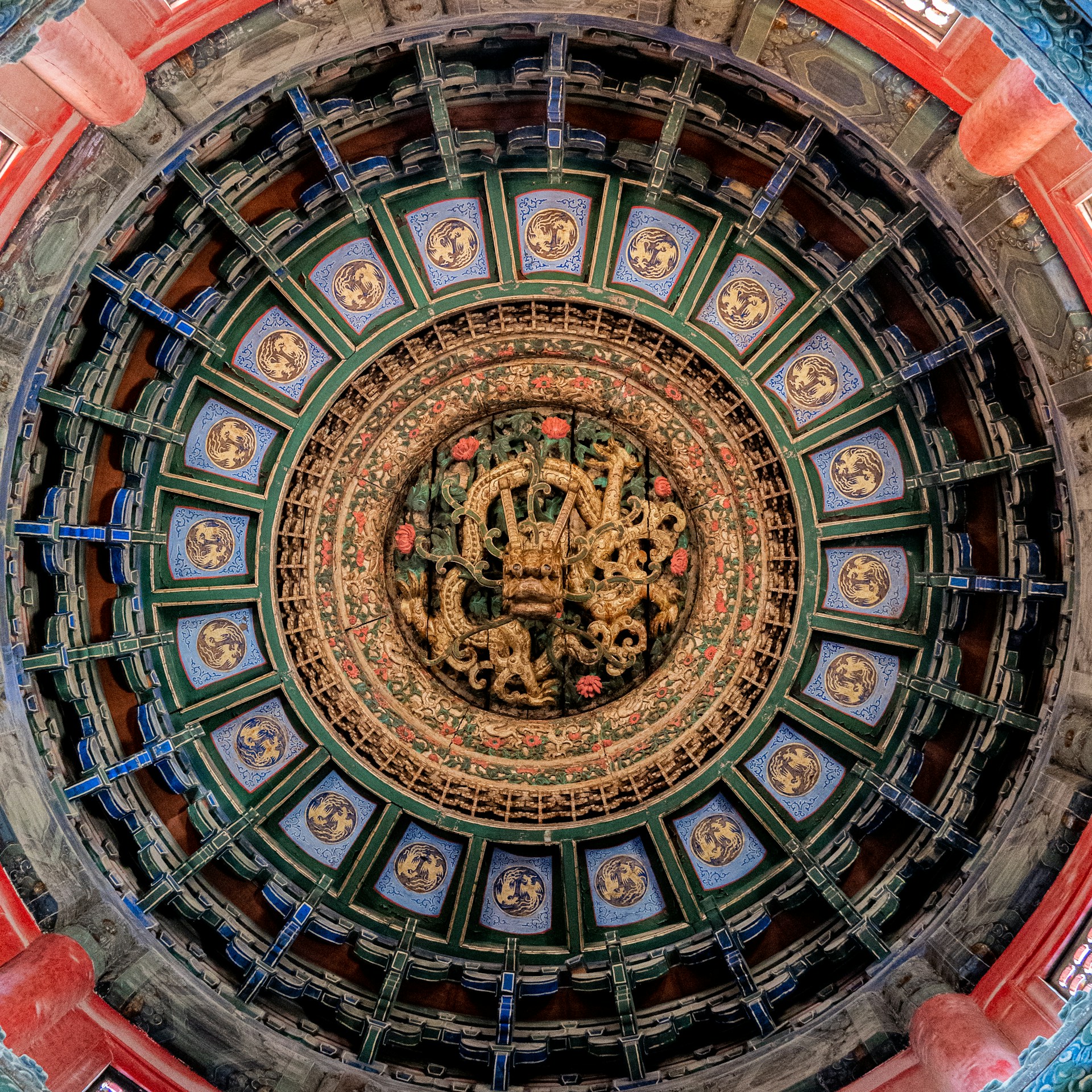
Most visitors see the great halls, but the true soul of the Palace Museum lies in the hidden gardens of the Emperor.
Beijing's Forbidden City is a vast complex of nearly a thousand buildings, a literal city within a city that served as the home of emperors and their households for over five hundred years. While most travelers follow the central axis through the massive halls of state, the true connoisseur knows that the soul of the palace is found in its peripheral retreats—specifically the Qianlong Garden.
Constructed between 1771 and 1776, this garden was intended as a retirement retreat for the Qianlong Emperor. Because it was rarely used by subsequent emperors, it remained largely untouched, preserving an incredible level of detail that elsewhere was lost to time or renovation. The garden is a masterpiece of the 'scholar garden' style, blending the formal rigidity of the imperial court with the whimsical, flowing aesthetics of the gardens of Suzhou.
Inside, you find structures like the Lodge of Retirement, featuring bamboo-style marquetry made from rare nanmu wood and trompe l’oeil silk paintings that create the illusion of being in a bamboo grove. Our curator, Li Wei, notes that these spaces were designed to provide the Emperor with 'the spirit of the mountains and forests' without requiring him to leave the heavy responsibilities of the palace. When you stand in these quiet courtyards, the roar of modern Beijing fades entirely, replaced by the same stillness the Emperor sought three centuries ago.